
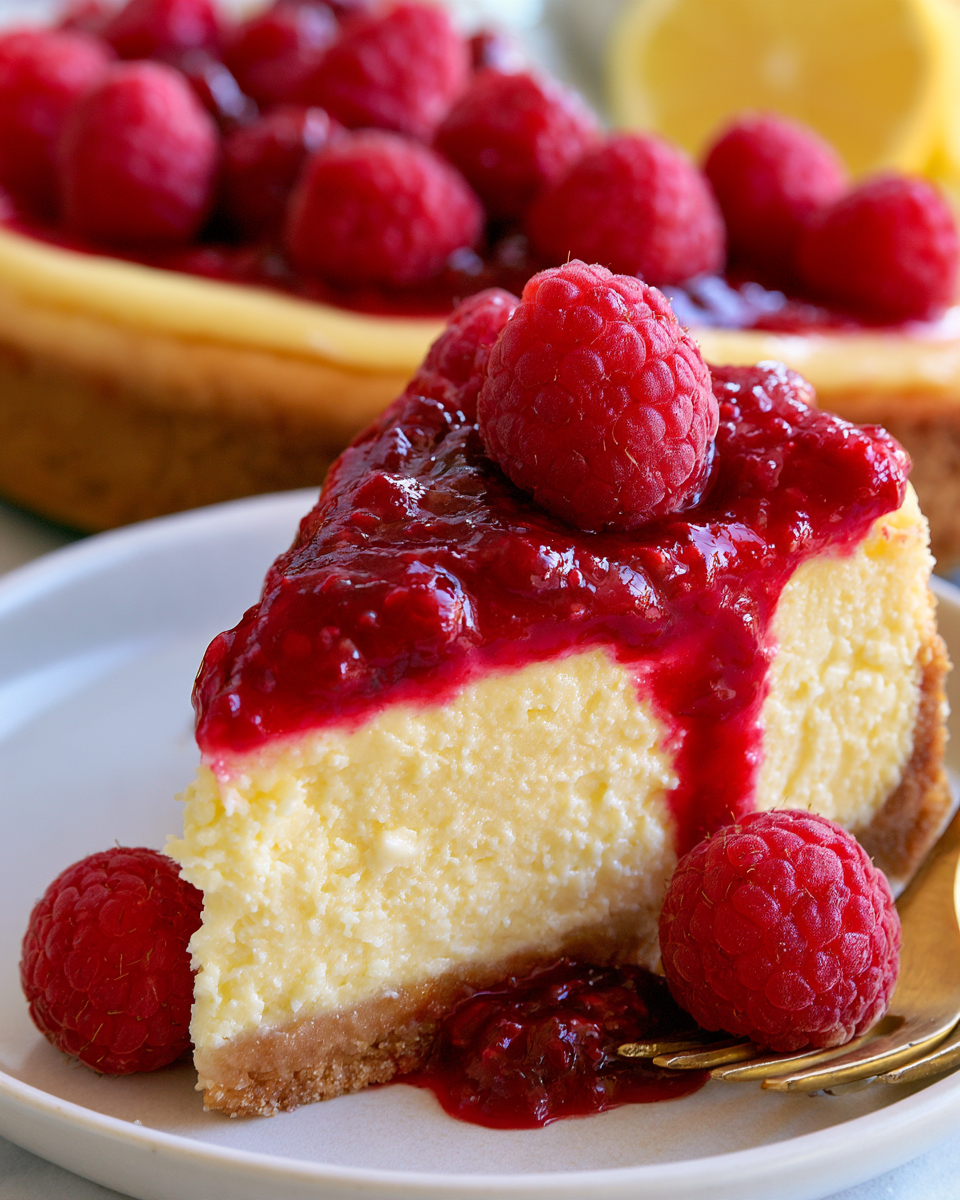
An easy cheesecake recipe provides a silky, professional-grade dessert using simple pantry staples and minimal effort. You achieve a perfectly smooth, rich texture without the complex techniques often associated with bakery-style cheesecakes. This method guarantees a reliable outcome for home bakers seeking a decadent treat for any occasion.
| Prep Time | 20 minutes | Cook Time | 60 minutes | Total Time | 8 hours | Servings | 12 | Difficulty | Easy | Cuisine | American |
|---|
Why This Recipe Works
This recipe works because it relies on precise temperature management and a standard water bath to ensure even heat distribution. By using room temperature ingredients, you prevent lumps in the batter and create a uniform, velvet-like consistency. I developed this process to eliminate the stress of cracks and uneven baking, focusing on stability and flavor density.
You will appreciate how straightforward the assembly process remains from start to finish. The crust offers a firm, buttery contrast to the dense, tangy filling, providing the classic experience expected from a high-end bakery. This guide removes the guesswork, allowing you to focus on the enjoyment of the final result.
Ingredients
| Ingredient | Quantity | Notes |
|---|---|---|
| Cream Cheese | 32 oz | Must be room temperature |
| Granulated Sugar | 1.25 cups | Fine grain works best |
| Sour Cream | 1 cup | Full-fat for creaminess |
| Vanilla Extract | 1 tbsp | Pure extract preferred |
| Large Eggs | 4 units | Room temperature |
| Graham Cracker Crumbs | 1.5 cups | Store-bought or crushed |
| Unsalted Butter | 6 tbsp | Melted |
Step-by-Step Instructions
Crust Preparation
Combine graham cracker crumbs, melted butter, and two tablespoons of sugar in a medium mixing bowl.
Press this mixture firmly into the bottom of a greased 9-inch springform pan to create a level base.
Bake the crust at 350 degrees Fahrenheit for ten minutes, then remove it to cool completely.
Filling Preparation
Beat the cream cheese and remaining sugar until smooth using an electric mixer on medium speed.
Add the sour cream and vanilla extract, mixing until the combination is uniform.
Incorporate the eggs one at a time, mixing on low speed until just combined to avoid excess air.
Baking and Cooling
Pour the cheesecake batter over the cooled crust and smooth the top with a spatula.
Wrap the outside of the pan in heavy-duty aluminum foil to prevent water seepage.
Place the pan into a larger roasting dish filled with an inch of hot water.
Bake at 325 degrees Fahrenheit for 60 minutes until the edges are set but the center wobbles slightly.
Turn off the oven and leave the door cracked for an hour to allow for gradual cooling.
Refrigerate for at least six hours before slicing to ensure the structure is firm.
Chef Tips for Perfect Results
Ensure all dairy products reach room temperature before mixing to prevent lumpy batter.
Do not overbeat the eggs, as excess air bubbles cause the cheesecake to crack during baking.
Run a warm knife around the edge of the pan immediately after taking it out of the oven.
Use a water bath to insulate the cake, which promotes a smooth, custard-like texture throughout.
Cool the cheesecake slowly inside the oven to prevent drastic temperature shifts that lead to surface splits.
Common Mistakes to Avoid
Using cold ingredients creates lumps that will not dissolve during the baking process.
Over-mixing introduces air, which causes the center to puff up and then collapse while cooling.
Opening the oven door too frequently causes temperature fluctuations that ruin the structural integrity.
Skipping the chilling time results in a soft, messy slice that lacks the intended firmness.
Variations and Substitutions
| Ingredient | Substitution | Impact |
|---|---|---|
| Sour Cream | Greek Yogurt | Adds more tang |
| Graham Crackers | Digestive Biscuits | Provides a heartier crunch |
| Vanilla | Almond Extract | Changes profile to nutty |
Serving Suggestions and Pairings
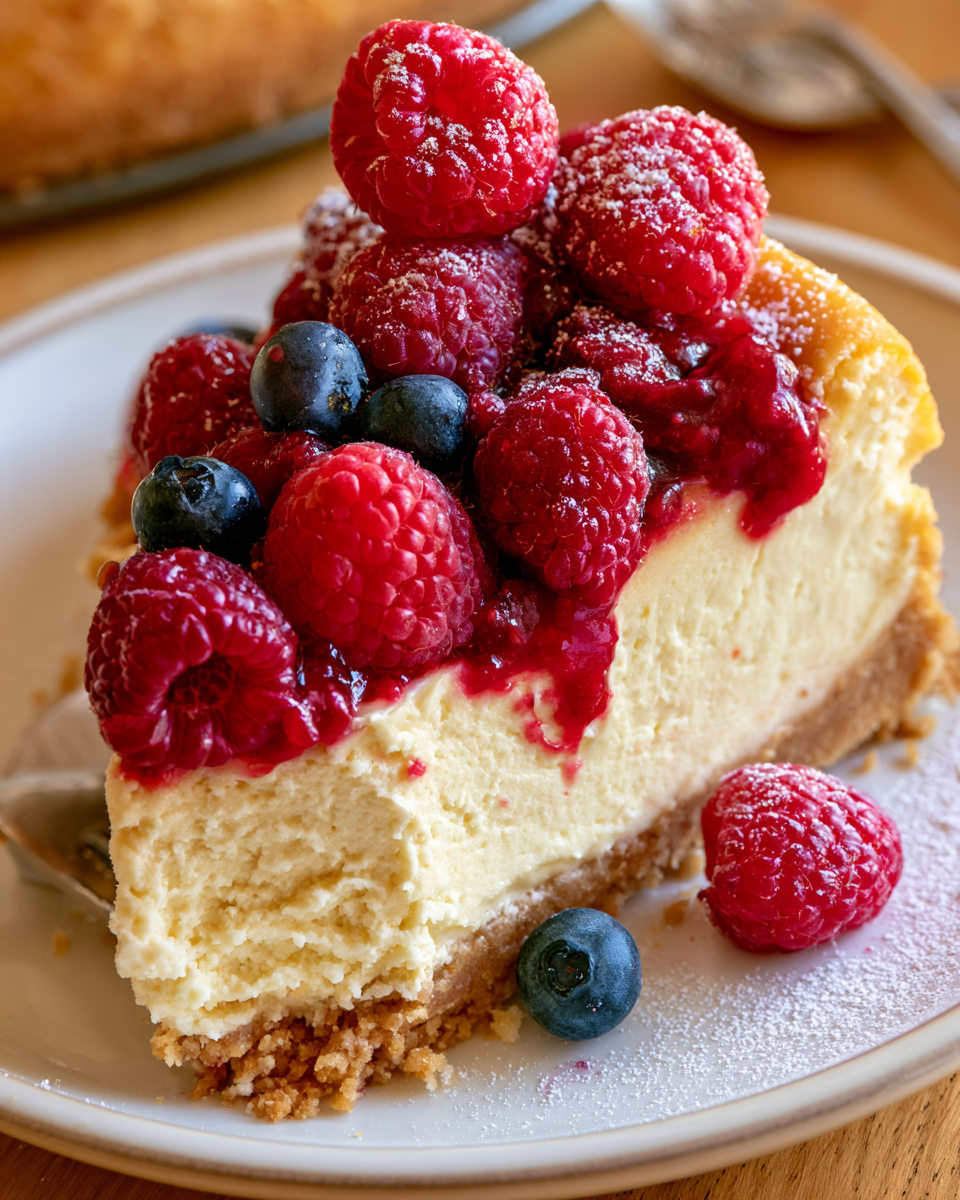
Serve this cheesecake with fresh macerated strawberries or a homemade blueberry compote for a refreshing finish. It pairs perfectly with unsweetened black coffee or a delicate Earl Grey tea during afternoon gatherings. For birthdays or holidays, top with whipped cream and shaved dark chocolate to elevate the presentation for guests.
Storage and Reheating
| Method | Duration | Instructions |
|---|---|---|
| Refrigerator | 5 days | Keep in an airtight container |
| Freezer | 3 months | Wrap tightly in plastic and foil |
Nutritional Information
| Nutrient | Amount per Serving |
|---|---|
| Calories | 480 kcal |
| Fat | 35g |
| Carbohydrates | 38g |
| Protein | 7g |
Approximate values per serving based on a 12-slice yield.
Frequently Asked Questions
Can I substitute low-fat cream cheese?
Avoid using low-fat cream cheese because it lacks the necessary fat content to maintain a stable structure. Full-fat blocks provide the creamy, decadent texture required for a traditional cheesecake result.
How do I know it is done?
The cheesecake is done when the edges appear set and firm while the center retains a slight, uniform jiggle. Over-baking causes the edges to brown and the texture to become grainy rather than smooth.
Why did the top crack?
The top cracks primarily due to rapid cooling or overheating during the baking cycle. Always use a water bath and follow the suggested cooling period inside the oven to maintain humidity and heat stability.
Is it better to make this the day before?
Making the cheesecake the day before is ideal because it allows the flavors to meld and the structure to fully set. This preparation method ensures clean slices and a superior, dense texture for your event.
Should I serve it cold?
Serve this dessert directly from the refrigerator to maintain the best sliceable texture. Allowing it to sit at room temperature for more than twenty minutes will cause it to soften and lose its refined shape.
Conclusion
Mastering this easy cheesecake recipe allows you to serve a restaurant-quality dessert with complete confidence. By following the temperature rules and cooling process, you guarantee a smooth, professional result every time you bake. Share this decadent treat with friends and family to experience the rich, creamy flavor profile that makes this classic dish so beloved. Start your baking journey today and enjoy the process of creating a perfect, stress-free cheesecake that impresses every guest at your table.
Easy Cheesecake Recipe for Beginners
- Total Time: 480
- Yield: 12 servings 1x
- Diet: Vegetarian
Description
Indulge in a professional-grade, silky cheesecake that delivers a perfectly smooth and rich texture right in your own kitchen. This reliable recipe removes the stress of complex techniques, utilizing simple pantry staples and precise temperature management. With a firm, buttery graham cracker crust and a dense, tangy filling, this decadent dessert is the ultimate treat for any occasion. Designed for simplicity and stability, this foolproof method guarantees a bakery-quality result every time you bake.
Ingredients
32 oz Cream Cheese, room temperature
1.25 cups Granulated Sugar
1 cup Sour Cream
1 tbsp Pure Vanilla Extract
4 Large Eggs, room temperature
1.5 cups Graham Cracker Crumbs
6 tbsp Unsalted Butter, melted
Instructions
Preheat your oven to 350 degrees Fahrenheit.
Combine graham cracker crumbs, melted butter, and two tablespoons of sugar in a bowl.
Press the mixture firmly into the base of a 9-inch springform pan.
Bake the crust for ten minutes, then remove to cool completely.
Beat the cream cheese and remaining sugar until smooth.
Add the sour cream and vanilla, mixing until uniform.
Incorporate the eggs one at a time on low speed.
Pour the batter over the cooled crust and smooth the top.
Wrap the pan in heavy-duty foil and place in a water bath.
Bake as directed, then cool gradually to ensure a perfect texture.
Notes
Ensure all ingredients are at room temperature to avoid lumps in the batter. Do not overmix after adding the eggs to prevent air bubbles and cracks. A water bath is essential for even heat distribution and a smooth top.
- Prep Time: 20
- Cook Time: 60
- Category: Baking
- Method: Baking
- Cuisine: American
Nutrition
- Serving Size: 1 slice
- Calories: 450
- Sugar: 28g
- Sodium: 320mg
- Fat: 35g
- Saturated Fat: 20g
- Carbohydrates: 30g
- Fiber: 0g
- Protein: 8g
- Cholesterol: 145mg
