
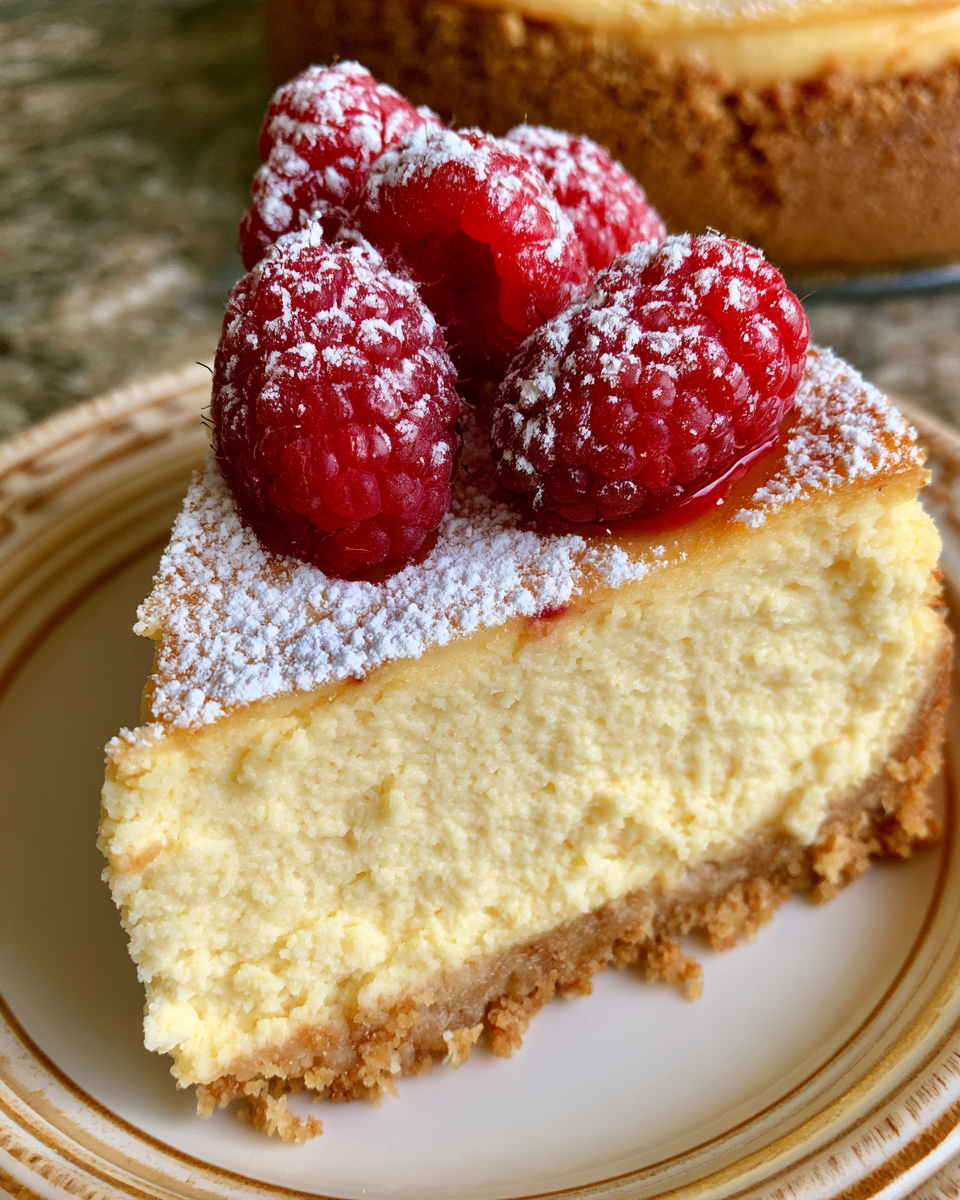
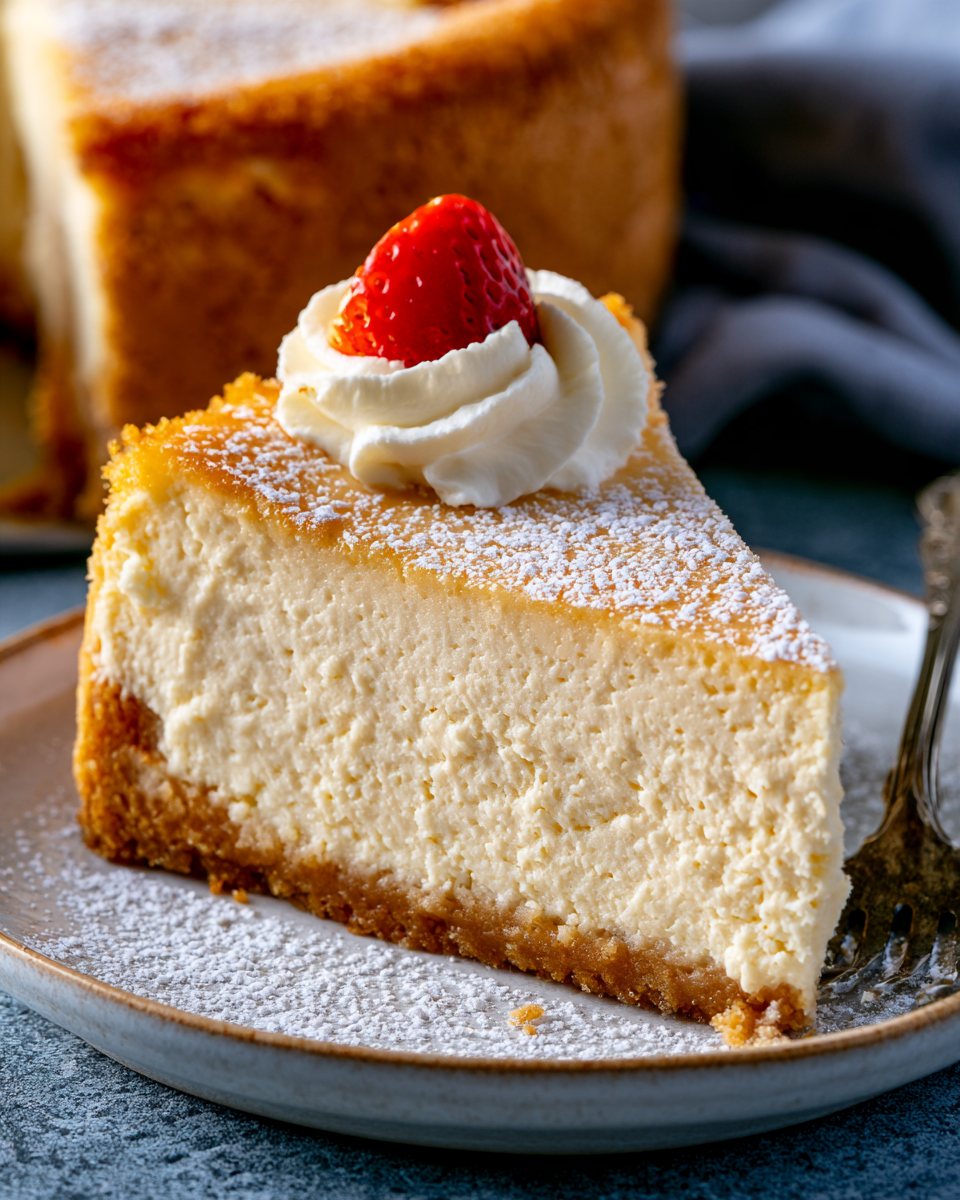
A Perfect Cheesecake Recipe creates a dense, velvety dessert that balances rich cream cheese with a crisp, buttery graham cracker crust. This classic preparation relies on specific temperature controls and careful mixing techniques to ensure a smooth, crack-free finish every time. You will achieve bakery-quality results by following this precise methodology and respecting the cooling process required for a firm yet luscious texture.
| Prep Time | Cook Time | Total Time | Servings | Difficulty | Cuisine |
|---|---|---|---|---|---|
| 30 minutes | 70 minutes | 8 hours | 12 | Intermediate | American |
Why This Recipe Works
This recipe achieves success by emphasizing the importance of room temperature ingredients. When cream cheese and eggs remain at ambient temperatures, they emulsify into a silky batter without incorporating excessive air bubbles. These bubbles often lead to surface cracks during the baking process, so maintaining room temperature remains the primary secret to a flawless presentation.
The inclusion of a water bath provides consistent heat distribution throughout the baking duration. This gentle cooking method prevents the edges from setting faster than the center, resulting in an even, creamy consistency from edge to center. Following this structured approach guarantees a professional dessert that stands up to the highest culinary standards.
Ingredients
| Ingredient | Quantity | Notes |
|---|---|---|
| Graham Crackers | 1.5 cups | Crushed fine |
| Unsalted Butter | 6 tablespoons | Melted |
| Cream Cheese | 32 ounces | Room temperature |
| Granulated Sugar | 1.25 cups | Standard white sugar |
| Sour Cream | 1 cup | Full-fat version |
| Large Eggs | 4 units | Room temperature |
| Vanilla Extract | 2 teaspoons | Pure extract |
Step-by-Step Instructions
Crust Preparation
Combine crushed graham crackers and melted butter in a medium bowl until the texture resembles wet sand.
Press the mixture firmly into the bottom of a 9-inch springform pan using the back of a measuring cup.
Bake the crust at 350°F for 10 minutes then allow it to cool completely before adding the filling.
Filling Development
Beat the cream cheese and sugar in a large stand mixer until completely smooth and free of lumps.
Add the sour cream and vanilla extract while mixing on low speed to combine thoroughly.
Incorporate the eggs one at a time, mixing only until just combined to prevent excess air.
Baking and Cooling
Wrap the springform pan securely in heavy-duty aluminum foil to prevent water seepage.
Pour the filling over the prepared crust and smooth the top with a spatula.
Place the pan inside a large roasting pan and fill the outer pan with hot water halfway up the sides.
Bake at 325°F for 70 minutes until the edges are set but the center remains slightly wobbly.
Turn off the oven and leave the door cracked for one hour to allow a gradual cool down.
Refrigerate the cheesecake for at least six hours before releasing the springform ring.
Chef Tips for Perfect Results
Use high-quality full-fat cream cheese for the best mouthfeel and structure.
Scrape the sides of your mixing bowl frequently to ensure no unincorporated lumps remain in the batter.
Never overmix the batter after adding the eggs, as this creates air pockets that lead to cracks.
Ensure the water bath seal is tight using double layers of heavy-duty foil.
Invest in an instant-read thermometer to check that the internal temperature reaches 150°F.
Common Mistakes to Avoid
Mixing cold ingredients results in lumpy batter; always pull cream cheese out two hours early.
Opening the oven door frequently causes temperature drops that ruin the even rise of the cake.
Releasing the pan ring before full refrigeration causes the delicate sides to tear or collapse.
Baking at temperatures above 325°F causes the proteins to curdle, resulting in a grainy texture.
Variations and Substitutions
| Ingredient | Substitution | Impact on Flavor |
|---|---|---|
| Graham Crackers | Chocolate wafers | Adds deep cocoa notes |
| Sour Cream | Greek Yogurt | Increases tanginess |
| Vanilla Extract | Almond Extract | Adds a nutty floral profile |
Serving Suggestions and Pairings
Serve this dessert with a fresh berry compote made from strawberries, blueberries, and raspberries. The acidity of the fruit cuts through the richness of the cream cheese for a balanced bite. For formal occasions, consider a drizzle of dark chocolate ganache or a light dusting of cocoa powder. It pairs exceptionally well with hot black coffee or a delicate loose-leaf black tea.
Storage and Reheating
| Method | Duration | Instructions |
|---|---|---|
| Refrigerator | 5 days | Keep covered in an airtight container |
| Freezer | 2 months | Wrap tightly in plastic and foil |
Nutritional Information
Approximate values per serving:
| Nutrient | Amount |
|---|---|
| Calories | 450 kcal |
| Fat | 35g |
| Protein | 8g |
| Carbohydrates | 30g |
Frequently Asked Questions
Can I use low-fat cream cheese for this recipe?
Low-fat cream cheese contains too much water and will prevent the cheesecake from setting properly. Use full-fat varieties to ensure the intended structure and rich mouthfeel.
How do I tell when the cheesecake is finished baking?
The cheesecake is done when the edges appear firm and slightly puffed, while the center has a two-inch jiggle. The internal temperature should read 150°F in the center.
What should I do if my cheesecake develops a crack?
Cracks are purely aesthetic and do not change the flavor of the dessert. Cover any surface imperfections with a layer of sour cream topping or fresh fruit garnish.
Can I prepare this dessert two days in advance?
Yes, cheesecake benefits from resting in the refrigerator for at least 24 hours. The flavor profile mellows and becomes more cohesive after extended chilling time.
Is a water bath strictly necessary for a perfect cheesecake?
The water bath serves as an insulator that provides gentle heat for an even, creamy texture. You may skip it, but the edges will likely overcook before the center sets.
Mastering this Perfect Cheesecake Recipe takes patience, but the result is a sophisticated dessert that impresses every time. By following the precise temperature guidelines and allowing for proper cooling, you ensure a professional outcome. Enjoy the creamy, rich satisfaction that only a homemade, perfectly executed cheesecake can provide to your guests or family.
Perfect Classic Cheesecake
- Total Time: 480
- Yield: 12 servings 1x
- Diet: Vegetarian
Description
Experience the ultimate dessert with this bakery-quality cheesecake. This recipe features a crisp, buttery graham cracker crust supporting a dense, velvety cream cheese filling. By utilizing room temperature ingredients and a gentle water bath baking method, you will achieve a smooth, crack-free finish every single time. It is the perfect balance of richness and creamy indulgence, making it the ideal centerpiece for any special occasion.
Ingredients
1.5 cups graham crackers, finely crushed
6 tablespoons unsalted butter, melted
32 ounces cream cheese, room temperature
1.25 cups granulated sugar
1 cup full-fat sour cream
4 large eggs, room temperature
2 teaspoons pure vanilla extract
Instructions
Preheat oven to 350°F.
Combine crushed graham crackers and melted butter, then press into a 9-inch springform pan.
Bake the crust for 10 minutes and let cool completely.
Beat cream cheese and sugar until smooth.
Mix in sour cream and vanilla on low speed.
Add eggs one at a time, mixing just until combined.
Wrap the springform pan in heavy-duty foil and place in a water bath.
Bake at 325°F for 70 minutes.
Cool gradually to ensure a firm, luscious texture.
Notes
Ensure all ingredients are at room temperature to avoid lumps and surface cracks. Do not overmix the batter once eggs are added to minimize air bubbles. Cooling the cheesecake slowly inside the oven helps prevent cracks.
- Prep Time: 30
- Cook Time: 70
- Category: Baking
- Method: Baking
- Cuisine: American
Nutrition
- Serving Size: 1 slice
- Calories: 450
- Sugar: 28g
- Sodium: 320mg
- Fat: 35g
- Saturated Fat: 20g
- Carbohydrates: 30g
- Fiber: 0g
- Protein: 8g
- Cholesterol: 145mg
