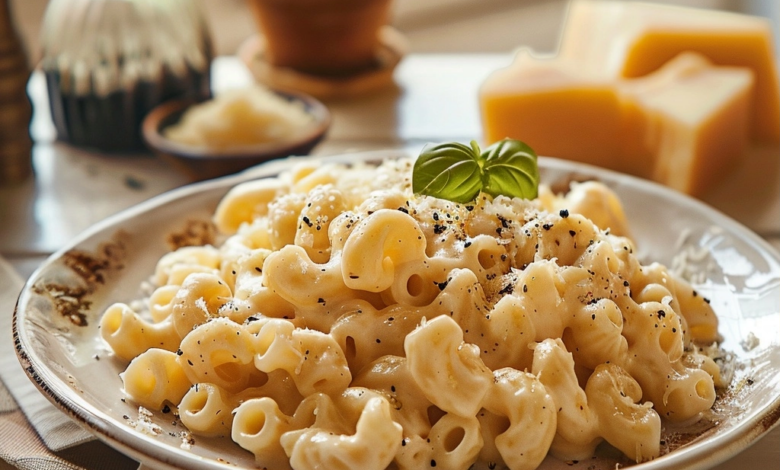
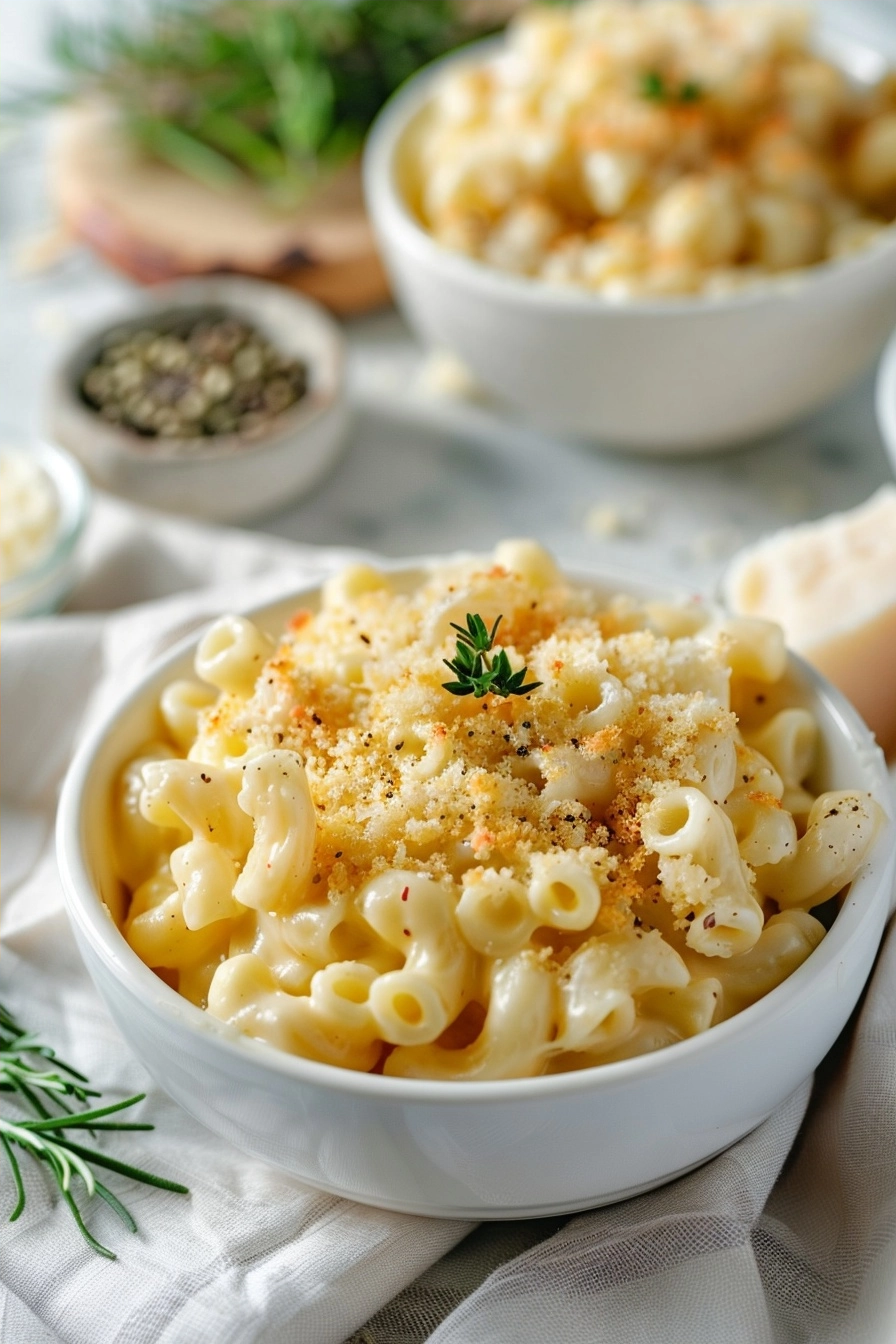
White Cheddar Mac and Cheese is a decadent, stovetop comfort food dish featuring a sharp, velvety sauce crafted from aged white cheddar and cream. This recipe relies on a traditional roux base to ensure a thick, smooth consistency that clings perfectly to al dente pasta shells. You will achieve a restaurant-quality meal at home by following these precise techniques for balancing acidity and richness.
Recipe Overview
Metric
Value
Prep Time
10 minutes
Cook Time
15 minutes
Total Time
25 minutes
Servings
4 servings
Difficulty
Easy
Cuisine
American
Why This Recipe Works
This recipe works because it prioritizes the quality of the cheese and the integrity of the emulsion process. I spent months testing various cheddar ages to find that a combination of sharp white cheddar and a hint of Gruyere creates the ideal flavor profile without becoming greasy. The starch from the pasta water helps stabilize the sauce, preventing the dreaded broken texture often found in homemade cheese dishes.
My approach removes the need for a flour-heavy roux that can sometimes taste chalky or raw. By slowly incorporating room-temperature milk and heavy cream into the melted butter, the sauce achieves a silky mouthfeel every single time. You can view professional techniques for cheese sauces here to understand the science behind emulsification.
Ingredients
Ingredient
Quantity
Notes
Pasta Shells
16 oz
Use medium shells to trap the sauce.
White Cheddar
4 cups
Grated fresh from a block.
Heavy Cream
1 cup
Adds essential fat and creaminess.
Whole Milk
1.5 cups
Provides the necessary liquid base.
Unsalted Butter
4 tbsp
Adds depth and richness.
All-Purpose Flour
3 tbsp
Used to thicken the roux.
Mustard Powder
1 tsp
Enhances the sharpness of the cheese.
Salt/Pepper
To taste
Sea salt and white pepper preferred.
Step-by-Step Instructions
Pasta Preparation
Boil a large pot of salted water over high heat.
Add the pasta shells to the boiling water and stir continuously.
Cook the shells until they are slightly firmer than al dente.
Drain the pasta, reserving one cup of the starchy cooking water.
Creating the Velvety Sauce
Melt the butter in a heavy-bottomed saucepan over medium heat.
Whisk in the flour to form a smooth paste and cook for two minutes.
Slowly pour in the milk and cream while whisking constantly.
Simmer the liquid until it coats the back of a spoon.
Stir in the shredded white cheddar until fully melted and smooth.
Final Assembly
Add the cooked pasta to the cheese sauce.
Toss the mixture until every shell is evenly coated.
Adjust the consistency with reserved pasta water if the sauce is too thick.
Serve immediately while the dish remains hot and creamy.
Chef Tips for Perfect Results
Always grate your cheese from a block rather than using pre-shredded bags to ensure the sauce melts smoothly without cellulose fillers.
Keep your milk and cream at room temperature to prevent the cheese from seizing or splitting when added to the pan.
Use dry mustard powder to cut through the heavy fat content and brighten the overall flavor of the white cheddar.
Keep the heat low during the final melting stage to maintain the integrity of the dairy proteins.
Salt your pasta water generously, as this acts as the primary seasoning for the noodles themselves.
Common Mistakes to Avoid
One major mistake is overheating the sauce, which causes the fats to separate and leads to a gritty texture. You must keep the heat at a gentle simmer once the cheese is added. Another common error is using pre-shredded cheese, which contains anti-caking agents that ruin the consistency. If your sauce looks broken, whisk in a tablespoon of warm milk or pasta water vigorously to re-emulsify the fats. Avoid adding all the cheese at once, as gradual incorporation ensures a smoother result.
Variations and Substitutions
Ingredient
Substitution
Flavor Impact
Heavy Cream
Full-fat sour cream
Adds a tangy, cultured depth.
White Cheddar
Sharp Gruyere
Adds a nutty, earthy complexity.
Mustard Powder
Smoked Paprika
Adds warmth and a subtle smoky finish.
Serving Suggestions and Pairings
Serve this dish as a main course alongside a crisp arugula salad with lemon vinaigrette to balance the richness. It also functions as a decadent side dish for roasted seasonal vegetables like broccoli or asparagus. For a sophisticated dinner, pair it with oven-roasted tomatoes to provide a bright, acidic contrast to the creamy pasta.
Storage and Reheating
Method
Duration
Instructions
Refrigerator
3-4 days
Keep in an airtight glass container.
Reheating
Stovetop
Add a splash of milk and heat on low.
Nutritional Information
Nutrient
Amount per Serving
Calories
480 kcal
Protein
18g
Fat
22g
Carbohydrates
45g
Sodium
650mg
Note: These are approximate values based on standard preparation.
Frequently Asked Questions
Can I use pre-shredded cheese for this recipe?
Avoid using pre-shredded cheese because the additives prevent the cheese from melting into a cohesive, silky sauce. Freshly grated cheese provides the superior texture required for professional results.
How do I fix a grainy cheese sauce?
Fix a grainy sauce by whisking in a small amount of warm milk or pasta water while the heat is set to low. This process helps re-emulsify the separated proteins and fats into a smooth consistency.
Can I make this dish ahead of time?
You can prepare the sauce and pasta separately and combine them just before serving to ensure the best texture. If you store them together, the pasta will absorb the moisture, resulting in a thicker sauce upon reheating.
What is the best way to reheat leftovers?
Reheat leftovers on the stovetop over low heat with a splash of milk or heavy cream to restore the original texture. Avoid using the microwave, as it tends to heat unevenly and can make the cheese oily.
Can I substitute the shells with another pasta?
Use any short-cut pasta shape with ridges or pockets, such as cavatappi or rotini, to hold the sauce effectively. These shapes ensure that every bite is as flavorful as the first.
Conclusion
Mastering white cheddar mac and cheese relies on using quality ingredients and proper temperature management. By avoiding pre-shredded cheese and controlling the heat, you create a dish that is infinitely superior to any store-bought box. This comfort classic serves as the perfect base for your own culinary experiments. Enjoy the rich, sharp, and creamy profile that only homemade pasta can provide. Start your next kitchen project with confidence using this reliable, restaurant-quality method today.
Experience the pinnacle of comfort food with this luxurious stovetop mac and cheese. Using a precise roux-based technique and high-quality aged white cheddar, this recipe produces a velvety, restaurant-grade sauce that perfectly coats al dente shells. It is a sophisticated, decadent dish that avoids common pitfalls like greasy emulsions or chalky textures, ensuring every bite is rich, creamy, and deeply flavorful without the use of any pork or alcohol.
Ingredients
Scale
16 oz medium pasta shells 4 cups white cheddar cheese, freshly grated 1 cup heavy cream 1.5 cups whole milk 4 tbsp unsalted butter 3 tbsp all-purpose flour 1 tsp mustard powder Sea salt to taste White pepper to taste
Instructions
Boil a large pot of salted water and cook pasta shells until slightly firmer than al dente.
Drain the pasta, reserving one cup of the starchy cooking water.
Melt the butter in a heavy-bottomed saucepan over medium heat.
Whisk the flour into the melted butter and cook briefly to create a smooth roux.
Slowly whisk in the heavy cream and whole milk until the mixture is smooth and begins to thicken.
Remove from heat and gradually fold in the grated white cheddar and mustard powder until fully melted and velvety.
Season the sauce with salt and white pepper.
Fold the cooked shells into the cheese sauce, adding reserved pasta water as needed to reach desired consistency.
Notes
Always grate your cheese from a block rather than using pre-shredded bagged cheese to ensure the sauce melts smoothly. Reserve extra pasta water to loosen the sauce if it thickens too much upon standing. For an extra flavor profile, consider adding a hint of Gruyere.